
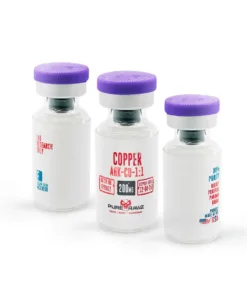
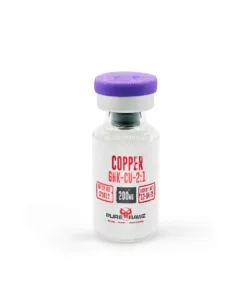
Copper Peptide GHK-Cu for Sale | Premium Research Compound at Purerawz
What is Copper Peptide?
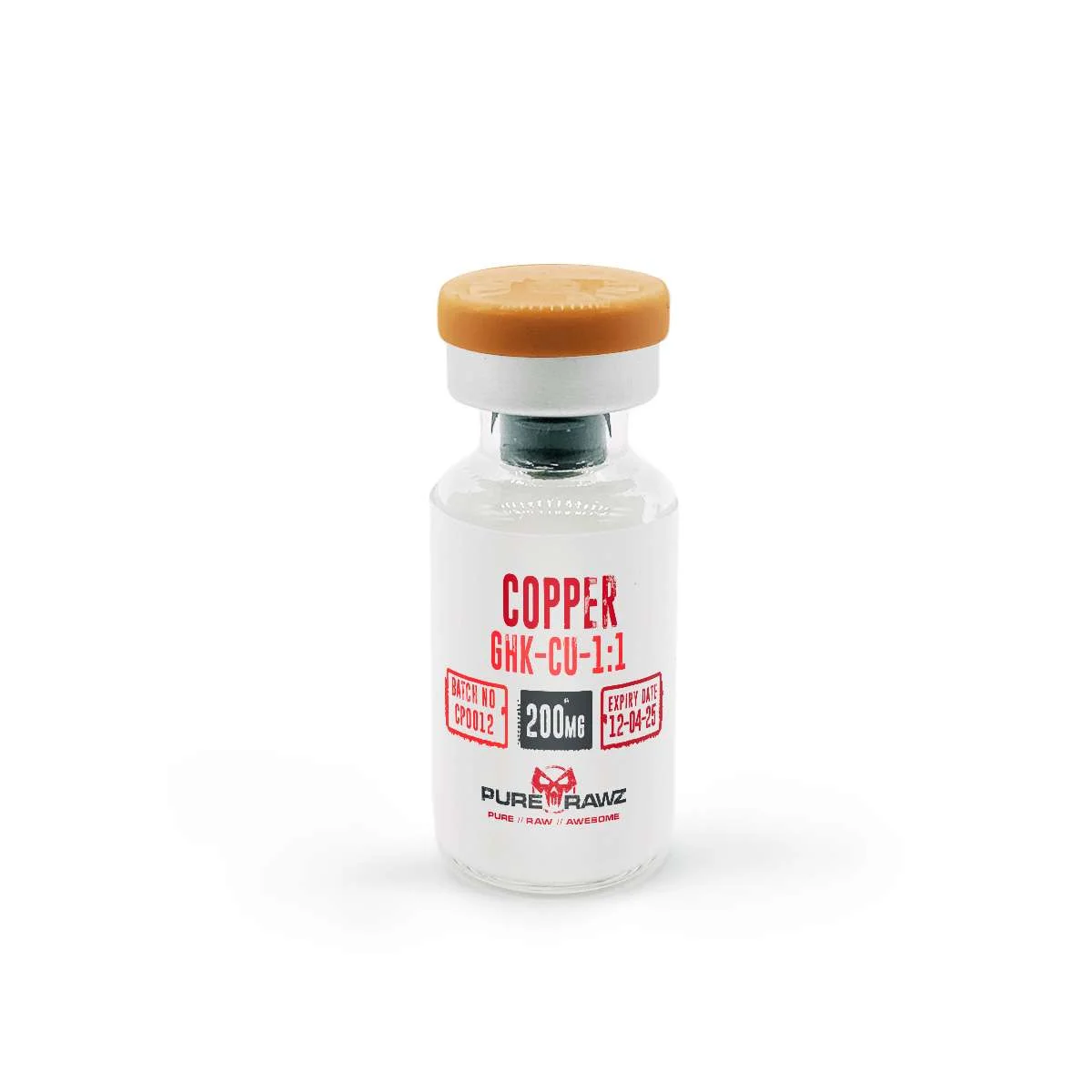
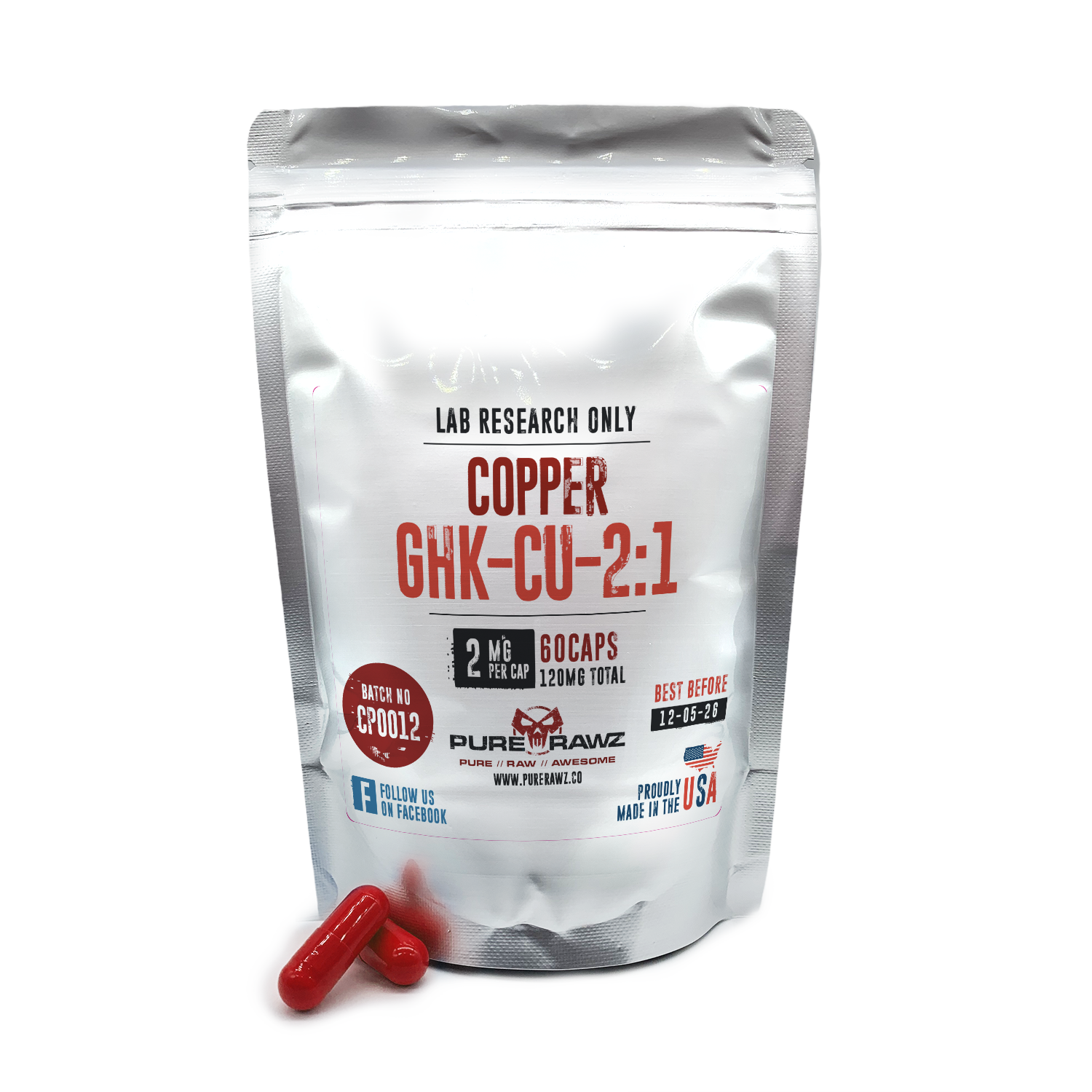
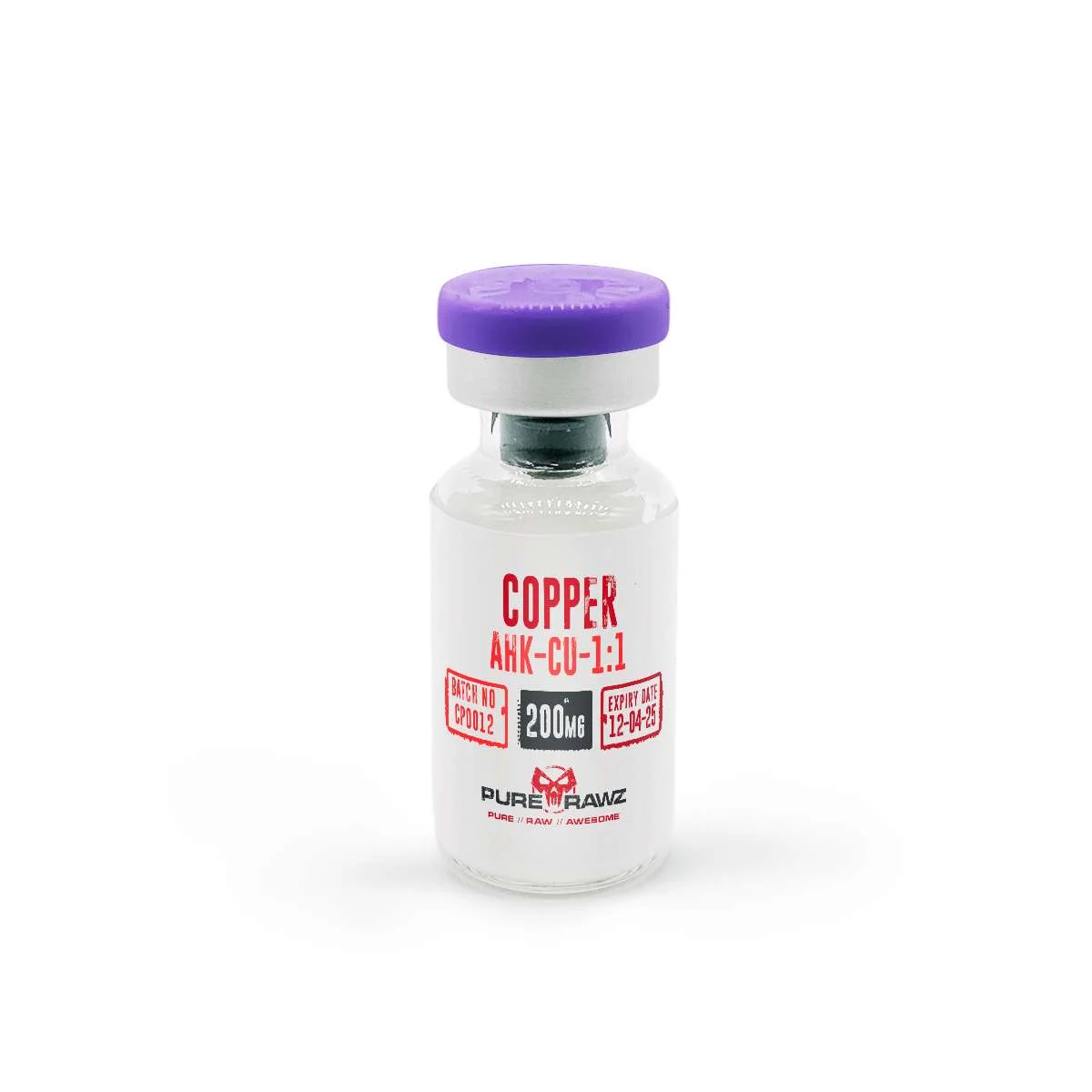
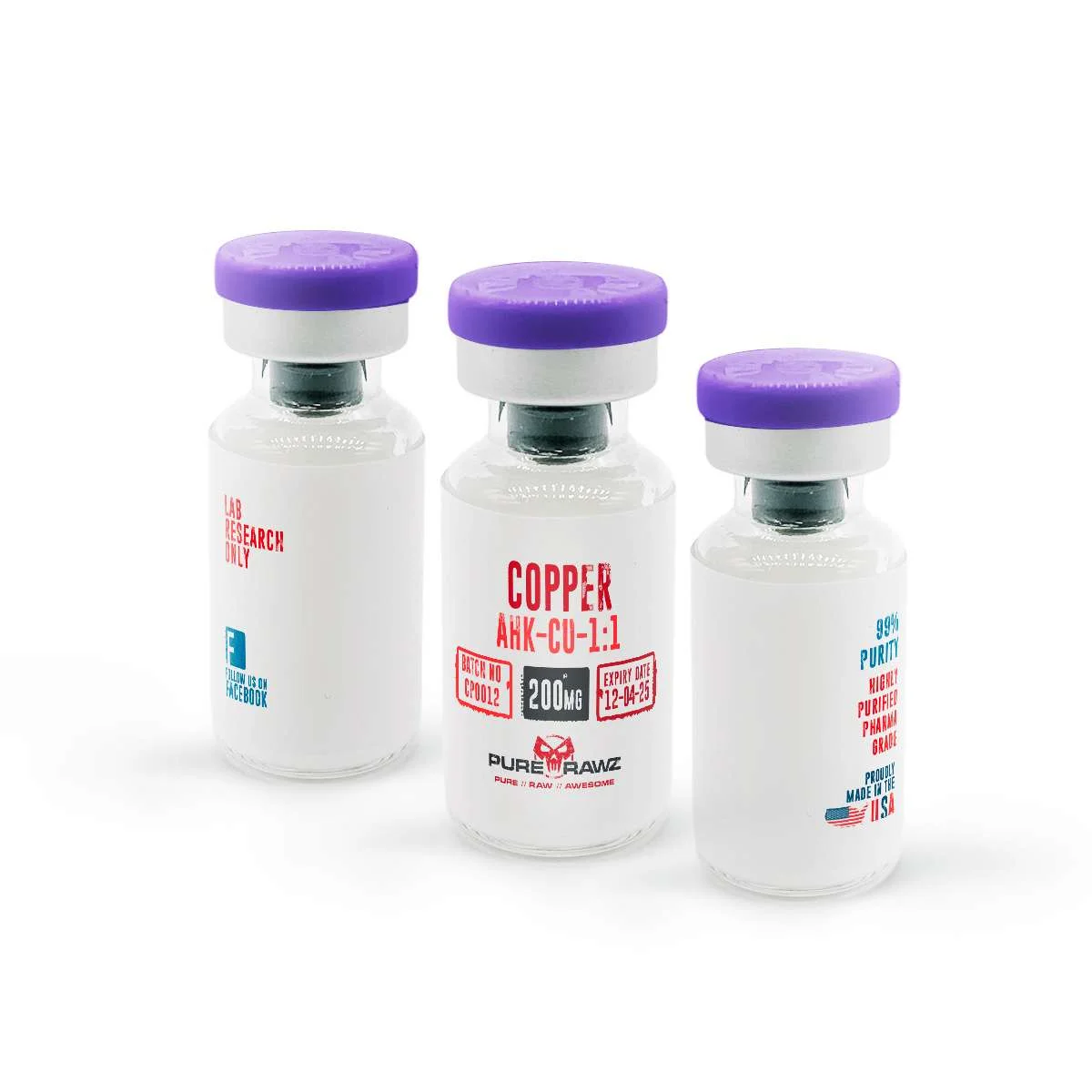
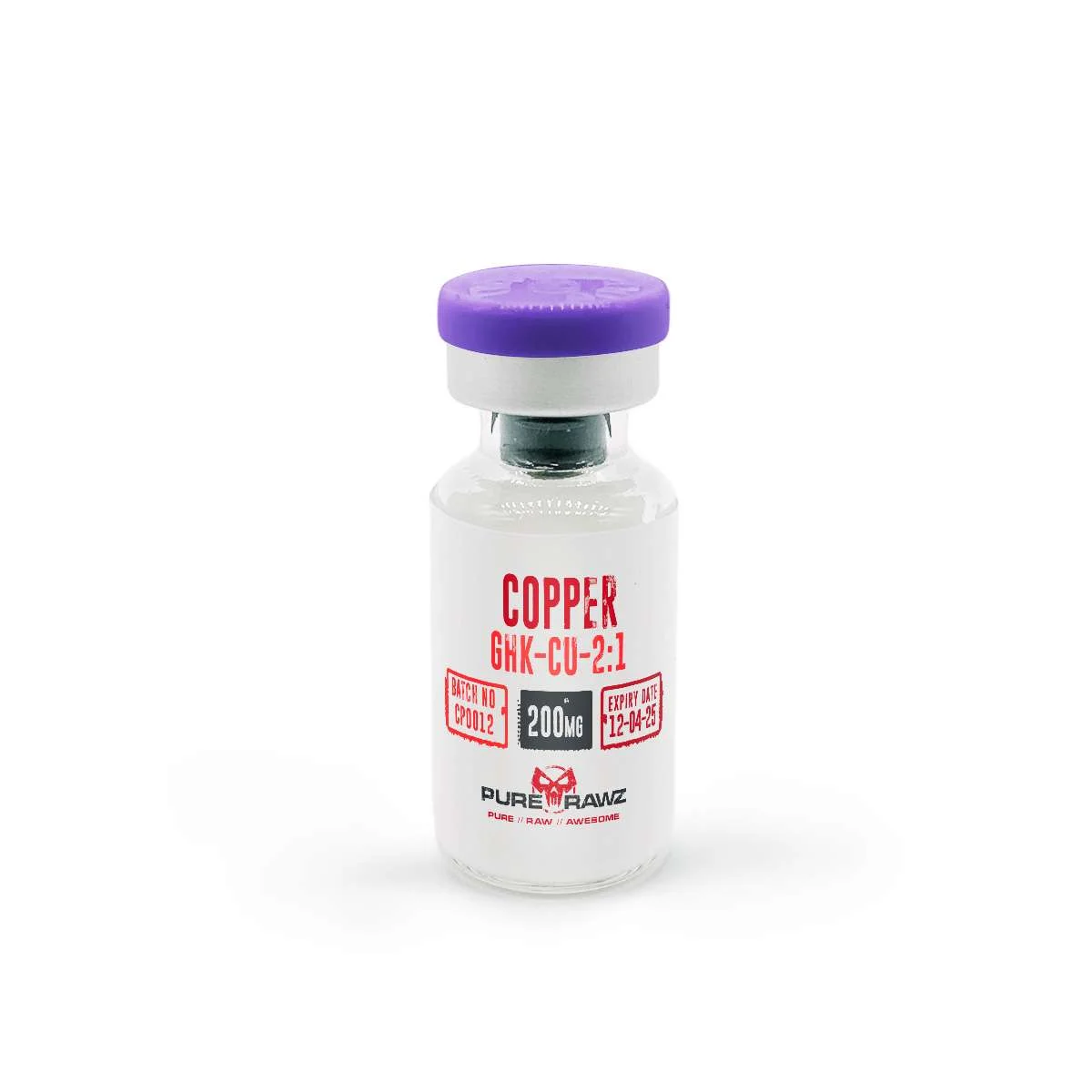
Copper peptide (GHK-Cu) is a small, naturally occurring protein complex formed by three amino acids bonded with copper ions. This compound is naturally present in plasma, saliva, and urine and has been the subject of extensive scientific study for its potential role in a wide range of biological processes. Researchers across multiple disciplines investigate copper peptides for their possible effects on tissue repair, cellular communication, and inflammation regulation. All products on Purerawzus.com are strictly intended for laboratory and research use only and are not approved for human or veterinary use.
Please note: Lyophilized peptide powders above 50mg may require a larger volume of bacteriostatic water for complete dissolution. Insufficient water volume may result in some powder remaining undissolved.
Copper Peptide Chemical Properties
|
Property |
GHK-Cu 2:1 |
GHK-Cu 1:1 |
AHK-Cu 1:1 |
|
CAS Number |
49557-75-7 |
89030-95-5 |
49557-75-7 |
|
Molar Mass |
340.38 g/mol |
340.91 g/mol |
445.9 g/mol |
|
Chemical Formula |
C14H24N6O4 |
C14H22CuN6O4 |
C15H27CuN7O5 |
|
Research Use |
Lab Research Only |
Lab Research Only |
Lab Research Only |
IUPAC Names
|
Variant |
IUPAC Name |
|
GHK-Cu 2:1 |
6-Amino-2-[[2-[(2-aminoacetyl)amino]-3-(1H-imidazol-5-yl)propanoyl]amino]hexanoic acid |
|
GHK-Cu 1:1 |
Copper(II) (2S)-6-amino-2-[[(2S)-2-[[(2-aminoacetyl)amino]propanoyl]amino]-3-(1H-imidazol-4-yl)propanamido]hexanoate |
|
AHK-Cu 1:1 |
Copper(2+); (2S)-2-[[(2S)-2-[[(2S)-1-amino-3-(1H-imidazol-4-yl)propanoyl]amino]propanoyl]amino]-6-aminohexanoic acid |
How Does Copper Peptide Work?
Researchers believe that copper peptides may function by binding to copper ions and facilitating their transport and utilization within biological systems. This interaction is thought to activate multiple pathways involved in tissue repair, inflammation reduction, and cellular communication. Studies also suggest that copper peptides may stimulate the production of collagen and elastin, two structural proteins that play a central role in maintaining skin health and integrity. All findings are based on early stage research and require further scientific validation.
Potential Research Areas of Copper Peptide
|
Research Area |
Potential Focus |
|
Wound Healing Research |
Studying its potential to accelerate wound closure through new tissue formation |
|
Anti-Inflammatory Research |
Examining its possible role in reducing inflammation linked to chronic conditions |
|
Antioxidant Research |
Investigating its potential to protect cells from oxidative damage |
|
Skin Health Research |
Exploring its effects on skin elasticity, fine lines, wrinkles, and overall skin texture |
|
Hair Care Research |
Studying its potential to promote hair growth and improve hair thickness in lab models |
|
Muscle Growth Research |
Investigating its possible role in tissue regeneration and muscle recovery |
Benefits of Cooper peptides
Copper Peptide and Skin Health Research
Scientific investigation suggests that copper peptides may positively influence skin health in research models. Studies indicate that by stimulating collagen production, copper peptides may contribute to improved skin elasticity, reduced appearance of fine lines, and enhanced skin texture. These findings make copper peptide a compound of significant interest in dermatological and cosmetic research settings.
Copper Peptide and Hair Care Research
Early research into copper peptides has shown promising results in the area of hair care. Studies suggest that copper peptides may support hair growth, reduce thinning, and improve overall hair thickness in research models. These effects are believed to be linked to increased blood flow to the scalp and stimulation of hair follicle activity. Further clinical investigation is needed to confirm these findings.
Copper Peptide and Muscle Growth Research
Researchers are also exploring the potential role of copper peptides in muscle growth and repair. Due to its involvement in tissue regeneration pathways, copper peptide may support muscle recovery following physical stress, potentially improving recovery time and performance outcomes in laboratory research models.
Current State of Copper Peptide Research
Scientific investigation into copper peptides is ongoing. Early studies have shown encouraging results particularly in the fields of dermatology and hair care research. However, additional clinical trials are required to fully establish the long-term safety and effectiveness of this compound across all research applications.
Where to Buy Copper Peptide Online
Pure raws is your trusted source to buy high-purity copper peptide for scientific research. Every order comes fully documented and independently verified so you can conduct your research with complete confidence.
|
Feature |
Details |
|
Testing |
Independent third-party lab tested |
|
Documentation |
Certificate of Analysis (COA) included |
|
Shipping |
Free international shipping on orders over $100 |
|
Payment Options |
Multiple secure payment methods available |
|
Support |
24/7 expert customer support |
Frequently Asked Questions
Is copper peptide safe for research use?
Copper peptide is generally considered safe for use in controlled research settings. However, the FDA has not approved it for human consumption and it must be used strictly within laboratory and research environments.
What potential side effects have been observed in research models?
Preliminary research has noted observations including skin irritation, allergic reactions, hair shedding, and potential hormonal imbalances in some research models. Further investigation is required to fully understand the long-term safety profile of this compound.
Disclaimer
All content on this page is for educational purposes only and does not constitute medical advice. All products are for laboratory and research use only and must follow IRB or IACUC guidelines. By ordering, you agree to our Terms and Conditions. For any concerns contact us at sales@purerawzus.com.
Purerawzus.com sells all products for laboratory and research purposes only and does not intend them for veterinary or human use.
| ghk cu | Copper Peptide AHK-CU, Copper Peptide GHK-CU 1:1, Copper Peptide GHK-CU 2:1, Copper Peptide GHK-CU 2:1 Capsules |
|---|---|
| strength | 1000mg, 100mg, 2000mg, 200mg, 2mg per capsule/60ct/120mg, 500mg, 50mg, 5mg, 10mg |
Be the first to review “Copper Peptide”
Related products
Peptides
Peptides
Peptides
Peptides
Peptides
Peptides
Peptides
Peptides
Reviews
There are no reviews yet.