
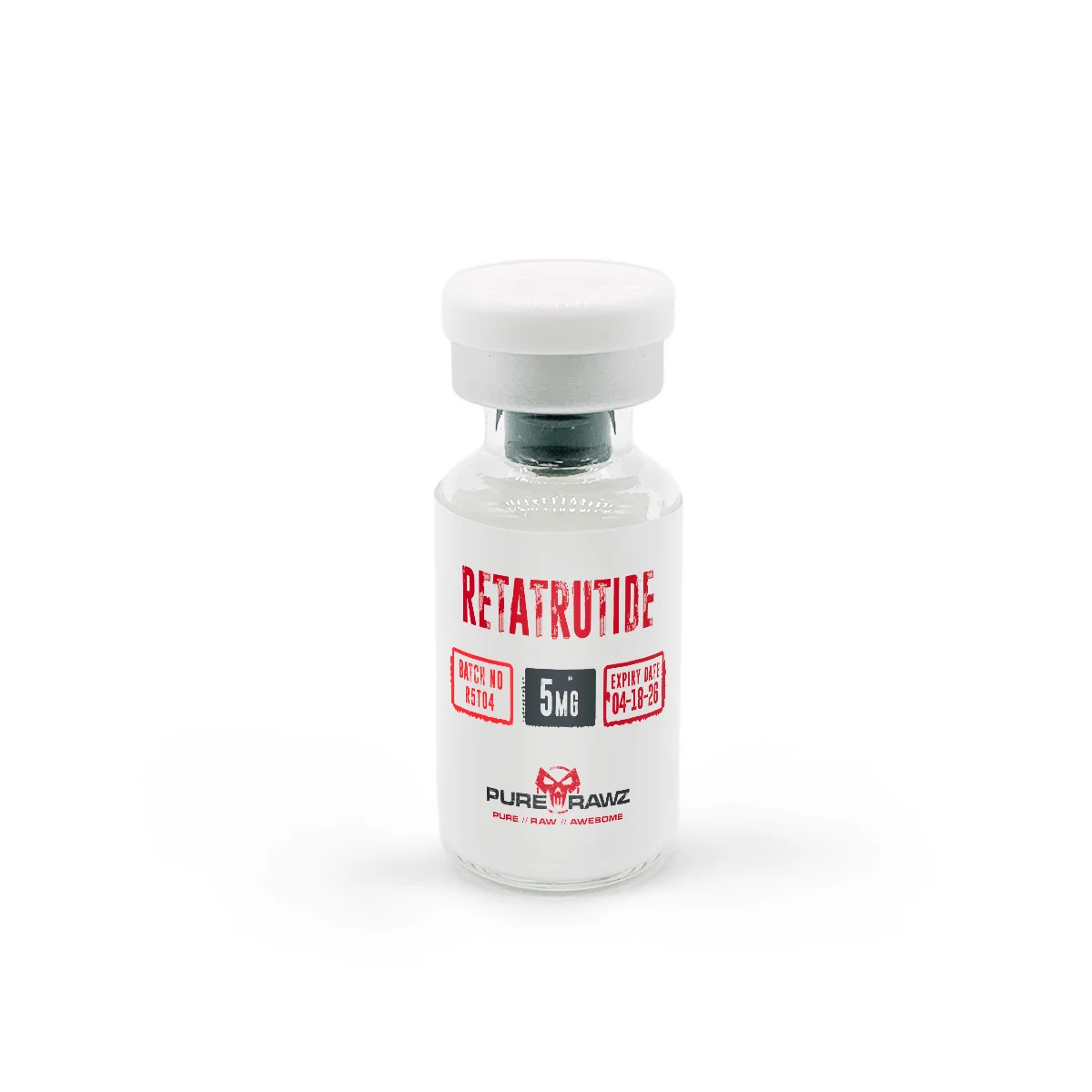
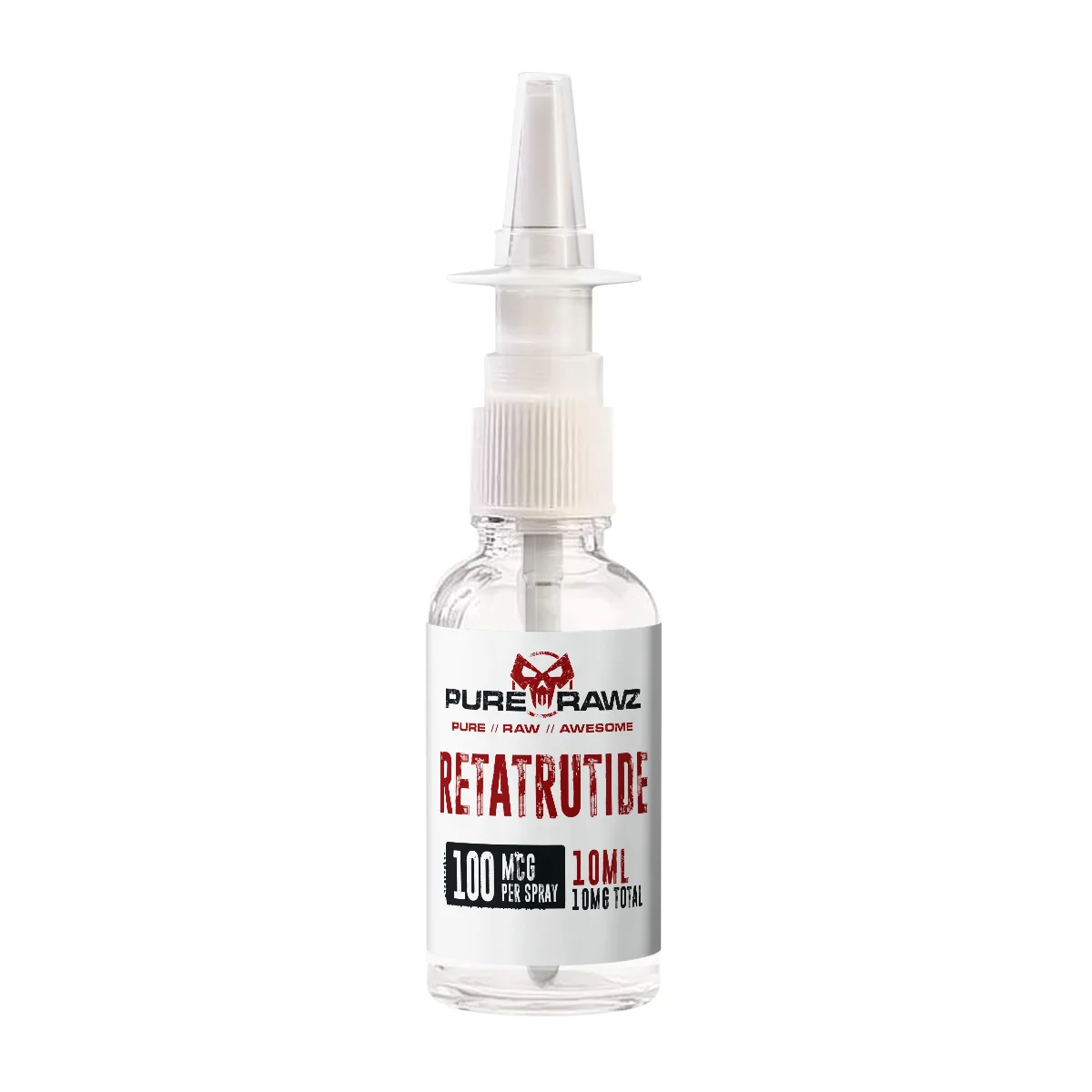
Retatrutide for Sale | 3rd-Party Tested Pure | Triple Agonist Research Peptide
What is Retatrutide?
Retatrutide, identified by its research designation LY-3437943, is a synthetically engineered peptide developed by Eli Lilly and currently under active clinical investigation. What sets Retatrutide apart from other metabolic research compounds is its triple-receptor activity profile, a characteristic that allows it to simultaneously interact with three distinct metabolic hormone receptors in experimental models.
These three receptors are:
- GLP-1 (Glucagon-Like Peptide-1 receptor)
- GIP (Glucose-Dependent Insulinotropic Polypeptide receptor)
- GCGR (Glucagon receptor)
This simultaneous triple-receptor engagement has positioned Retatrutide as one of the most scientifically advanced metabolic research peptides currently under investigation, attracting significant research interest across obesity, type 2 diabetes, fatty liver disease, and energy balance research disciplines. All products on Purerawzus.com are strictly intended for laboratory and research use only and are not approved by the FDA for human or veterinary use.
Retatrutide Chemical Properties
|
Property |
Details |
|
Research Designation |
LY-3437943 |
|
Synonyms |
Retatrutide, orb1981169, EX-A7826E, GTPL13769 |
|
CAS Number |
2381089-83-2 |
|
PubChem CID |
171390338 |
|
Molecular Formula |
C221H342N46O68 |
|
Molecular Weight |
4731 g/mol |
|
Efficacy Type |
Anti-diabetic, Anti-Obesity Modified Peptide |
|
Hazard Classification |
Not a hazardous substance or mixture |
|
Clinical Trial |
NCT06354660 (TRANSCEND-T2D-1) |
|
Research Use |
Laboratory and Scientific Research Only |
|
Regulatory Status |
Not approved by the FDA for human or veterinary use |
How Does Retatrutide Work?
The defining research characteristic of Retatrutide is its ability to activate three separate metabolic hormone receptors simultaneously in experimental models. Each receptor engagement produces distinct and complementary research-relevant biological effects:
GLP-1 Receptor Activation
GLP-1 receptor activation in research models may produce the following effects:
|
GLP-1R Mechanism |
Research Context |
|
Appetite Reduction |
May reduce appetite and caloric intake in preclinical research models |
|
Gastric Emptying Modulation |
May slow gastric emptying rate in experimental settings |
|
Glucose-Dependent Insulin Secretion |
May enhance insulin secretion in a glucose-dependent manner |
GIP Receptor Activation
GIP receptor activation may contribute the following additional research effects:
|
GIPR Mechanism |
Research Context |
|
Insulin Secretion Enhancement |
May further enhance insulin secretion in glucose-dependent research models |
|
Fat Storage Modulation |
Being studied for its possible influence on adipose tissue regulation |
|
Bone Metabolism Research |
Early findings suggest possible influence on bone metabolism in research models |
Glucagon Receptor Activation
GCGR activation primarily occurs in liver tissue of preclinical models:
|
GCGR Mechanism |
Research Context |
|
Energy Expenditure Increase |
May contribute to increased energy expenditure in metabolic research models |
|
Hepatic Fat Reduction |
May help reduce fat accumulation in liver tissue in experimental models |
|
Lipolysis Promotion |
May promote fat breakdown and oxidation in preclinical research settings |
Potential Benefits of Retatrutide in Research
Scientific investigation into Retatrutide has highlighted several areas where this triple agonist may offer significant research value:
|
Potential Benefit |
Research Context |
|
Obesity Research |
Being studied for its possible applications in weight management and obesity mechanism research |
|
Type 2 Diabetes Research |
Being explored for its possible role in glucose regulation and insulin sensitivity research |
|
NASH and NAFLD Research |
Being investigated for its possible role in metabolic liver disease research models |
|
Appetite Suppression Research |
Being studied for its possible influence on appetite regulation mechanisms |
|
Energy Expenditure Research |
Being explored for its possible influence on total energy expenditure in research models |
|
Cardiovascular Research |
Being evaluated for possible cardiovascular and metabolic outcome research |
|
Lipid Metabolism Research |
Studied for its possible influence on lipolysis and fat oxidation in research settings |
|
Body Composition Research |
Being explored for its possible effects on body composition in metabolic research models |
Please note: All benefits listed are based on preclinical and early clinical research findings. This product is strictly intended for research purposes and is not approved for human or veterinary use.
Potential Research Areas of Retatrutide
|
Research Area |
Potential Focus |
|
Triple Receptor Agonist Research |
Studying how simultaneous GLP-1R, GIPR, and GCGR activation influences metabolic outcomes |
|
Obesity and Weight Management Research |
Investigating appetite suppression and weight regulation mechanisms in research models |
|
Type 2 Diabetes Research |
Exploring glucose regulation and insulin sensitivity in diabetic research models |
|
NASH and NAFLD Research |
Studying its possible role in metabolic dysfunction-associated liver disease research |
|
Energy Homeostasis Research |
Investigating its possible influence on total energy expenditure in metabolic research |
|
Cardiovascular Metabolic Research |
Exploring possible cardiovascular outcomes associated with triple receptor metabolic signaling |
|
Lipid and Fat Metabolism Research |
Studying its possible role in lipolysis and hepatic fat reduction in preclinical models |
|
Incretin Research |
Investigating how combined GLP-1 and GIP receptor activation influences metabolic signaling |
|
Adipose Tissue Research |
Exploring its possible effects on fat storage and adipose tissue regulation |
|
Gastrointestinal Research |
Investigating its possible effects on gastric emptying and gastrointestinal motility |
Retatrutide Storage Guidelines
Proper storage of Retatrutide is critical for maintaining compound stability and research integrity across all study periods:
Unreconstituted Powder Form
|
Condition |
Recommendation |
|
Primary Storage |
Store at -20°C for standard preservation |
|
Short-Term Alternative |
Can be stored at 4°C for 2 to 4 weeks |
|
Light Protection |
Keep away from light at all times |
|
Moisture Control |
Keep vial tightly sealed to prevent condensation and contamination |
|
Temperature Exposure |
Do not expose to room temperature frequently |
Reconstituted Liquid Form
|
Condition |
Recommendation |
|
Storage Temperature |
Store at 2°C to 8°C in refrigeration |
|
Freezing |
Stability data not publicly confirmed, freeze with caution |
|
Vial Handling |
Swirl gently if needed, avoid vigorous shaking |
|
Light Protection |
Store in dark or amber vial away from light exposure |
|
Solvent Selection |
Use appropriate solvent as some peptides require sterile water, acetic solution, or saline |
How to Handle Retatrutide Safely
Maintaining proper laboratory safety protocols when handling Retatrutide is essential for both compound integrity and researcher safety:
|
Safety Protocol |
Recommendation |
|
Protective Equipment |
Use proper gloves, protective eyewear, and maintain a clean sterile workspace |
|
Contamination Prevention |
Maintain sterile techniques and avoid direct contact throughout handling |
|
Waste Disposal |
Dispose of vials, syringes, and materials in approved biohazard or sharps containers |
|
Protective Clothing |
Use impervious clothing during all handling procedures |
|
Vial Thawing |
Allow frozen vials to reach room temperature naturally before opening |
|
Storage Location |
Do not store at freezer door due to temperature fluctuation risk |
Travelling With Retatrutide
Researchers planning to travel with Retatrutide within the USA should follow these general TSA compliance guidelines:
|
Travel Guideline |
Recommendation |
|
Packaging |
Keep Retatrutide in its original packaging at all times |
|
Documentation |
Carry a copy of the Certificate of Analysis where applicable |
|
Temperature Management |
Use a travel cooler with ice packs to maintain compound stability |
|
Luggage Placement |
Carry in carry-on luggage rather than checked baggage |
|
Liquid Quantities |
TSA allows medically necessary liquids over 3.4 oz where documented |
|
Quantity Restrictions |
Avoid carrying large quantities to prevent potential confiscation |
Where to Buy Retatrutide Online
Purerawzus.com supplies COA-verified, high-purity research compounds with fast USA shipping on every order. Every purchase includes a full Certificate of Analysis confirming peptide identity, purity, and concentration for complete research compliance and documentation. We offer multiple secure payment options to make your ordering experience seamless and straightforward. Visit our how to pay page for a complete step by step guide to all available payment methods and secure checkout instructions.
|
Feature |
Details |
|
Testing |
Independent third-party lab tested |
|
Documentation |
Certificate of Analysis (COA) included with every order |
|
Shipping |
Free international shipping on orders over $100 |
|
Payment Options |
Multiple secure payment methods available |
|
Support |
24/7 expert customer support |
Frequently Asked Questions
Is Retatrutide Safe for Human Consumption?
No. The FDA has not approved Retatrutide for human or veterinary use. Purerawzus.com supplies this compound strictly for laboratory and scientific research purposes only.
What Side Effects Have Been Observed With Retatrutide?
As Retatrutide remains under active clinical and preclinical investigation its complete side effect profile has not yet been fully established across all research contexts. Researchers are encouraged to follow all applicable laboratory safety protocols when handling this compound.
How Should Retatrutide be Stored?
Store unreconstituted Retatrutide powder at -20°C or alternatively at 4°C for short-term periods of 2 to 4 weeks. After reconstitution store at 2°C to 8°C in refrigeration. Keep away from light and moisture at all times and avoid vigorous shaking of reconstituted solutions.
Is Retatrutide Legal for Research Use?
Retatrutide is legal for laboratory and research use in applicable regions. The FDA has not approved it for human or veterinary applications. All research must comply with applicable institutional standards and local regulatory guidelines before purchasing or using this compound.
How Does Retatrutide Differ From Dual Agonist Research Peptides?
Unlike dual agonist compounds that target two metabolic hormone receptors Retatrutide simultaneously activates three receptors including GLP-1R, GIPR, and GCGR. This triple receptor engagement provides researchers with a broader metabolic signaling research window covering appetite regulation, insulin secretion, energy expenditure, and hepatic fat reduction in a single compound.
Disclaimer
All information on this page is provided for educational purposes only and does not constitute medical or professional advice. Products are for laboratory and research use only. By ordering you agree to our Terms and Conditions. Contact us at sales@purerawzus.com for any concerns.
All products are for laboratory and research purposes only and are not intended for veterinary or human use.
| form | Nasal spray, peptides, Sublingual Tablets |
|---|---|
| strength | 100mcg per spray/10ml/10mg, 12mg, 300mcg per tablet/30ct/9mg, 300mcg per tablet/60ct/18mg, 8mg, 5mg, 10mg |
Be the first to review “Retatrutide”
Related products
Peptides
Peptides
Peptides
Peptides
Peptides
Peptides
Peptides
Peptides
Reviews
There are no reviews yet.